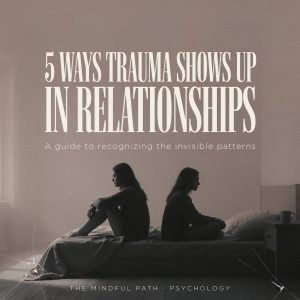
5 Ways Trauma Shows Up in Relationships (And How Healing Can Begin)
Relationships have a way of revealing the wounds we thought we had buried. Sometimes the challenges we face in love are not just about the present moment they are connected to experiences from our past.
Trauma can come from childhood experiences, betrayal, abandonment, neglect, emotional abuse, toxic relationships, loss, or any event that left a deep emotional impact. If left unhealed, these wounds often show up in our closest relationships.
Here are five common ways trauma can affect relationships and what you can do to begin healing.
1. Fear of Abandonment
One of the most common effects of trauma is the fear that people will leave.
You may:
- Constantly seek reassurance
- Feel anxious when your partner needs space
- Overthink texts or delayed responses
- Become emotionally overwhelmed during disagreements
The fear isn’t always about your current partner it’s often connected to past experiences where you felt rejected, abandoned, or unseen.
Healing Tip:
Practice grounding yourself in facts rather than fears. Ask yourself, “What evidence do I have that I am safe in this relationship right now?”
2. Difficulty Trusting Others
When trust has been broken in the past, it can be difficult to believe that someone genuinely cares for you.
You may:
- Expect betrayal
- Struggle to open up emotionally
- Feel suspicious even when there is no clear reason
- Constantly look for signs that something is wrong
Trust issues are often a form of self-protection. Your mind is trying to prevent you from being hurt again.
Healing Tip:
Remember that healthy trust is built gradually. Allow people to earn your trust through consistent actions rather than expecting immediate certainty.
3. People-Pleasing and Losing Yourself
Many trauma survivors learned that keeping others happy was the safest way to avoid conflict or rejection.
You may:
- Say yes when you want to say no
- Ignore your own needs
- Feel responsible for everyone else’s emotions
- Fear disappointing others
Over time, this can lead to resentment, exhaustion, and a loss of identity.
Healing Tip:
Start practicing small boundaries. Every time you honour your needs, you strengthen your sense of self-worth.
4. Emotional Withdrawal
Not everyone responds to trauma by becoming clingy. Some people cope by pulling away.
You may:
- Shut down during conflict
- Avoid difficult conversations
- Struggle to express emotions
- Keep people at a distance
This often develops as a survival strategy. If expressing emotions once felt unsafe, emotional withdrawal can feel like protection.
Healing Tip:
Healing begins when you create safe spaces to express your feelings. Start small by naming your emotions instead of suppressing them.
5. Repeating Unhealthy Relationship Patterns
Unhealed trauma can sometimes lead us to choose familiar pain over healthy love.
You may:
- Be drawn to emotionally unavailable partners
- Stay in toxic relationships longer than you should
- Ignore red flags
- Feel uncomfortable when a relationship feels healthy and stable
The familiar often feels safer than the unknown even when it’s harmful.
Healing Tip:
Pay attention to patterns rather than promises. Healthy relationships are built on consistency, respect, trust, and emotional safety.
Final Thoughts
Trauma is not a life sentence. The patterns that developed to protect you can be healed.
Healing does not mean pretending the pain never happened. It means learning that your past does not have to control your future.
You deserve relationships where you feel safe, valued, respected, and loved. The journey may not happen overnight, but every step toward healing brings you closer to the peace and connection you deserve.
Remember:
“Your trauma may explain your reactions, but it does not define your worth. Healing is possible, and healthy love is too.”
© Awakening Her Power
Helping women heal, grow, set healthy boundaries, and rediscover their worth.