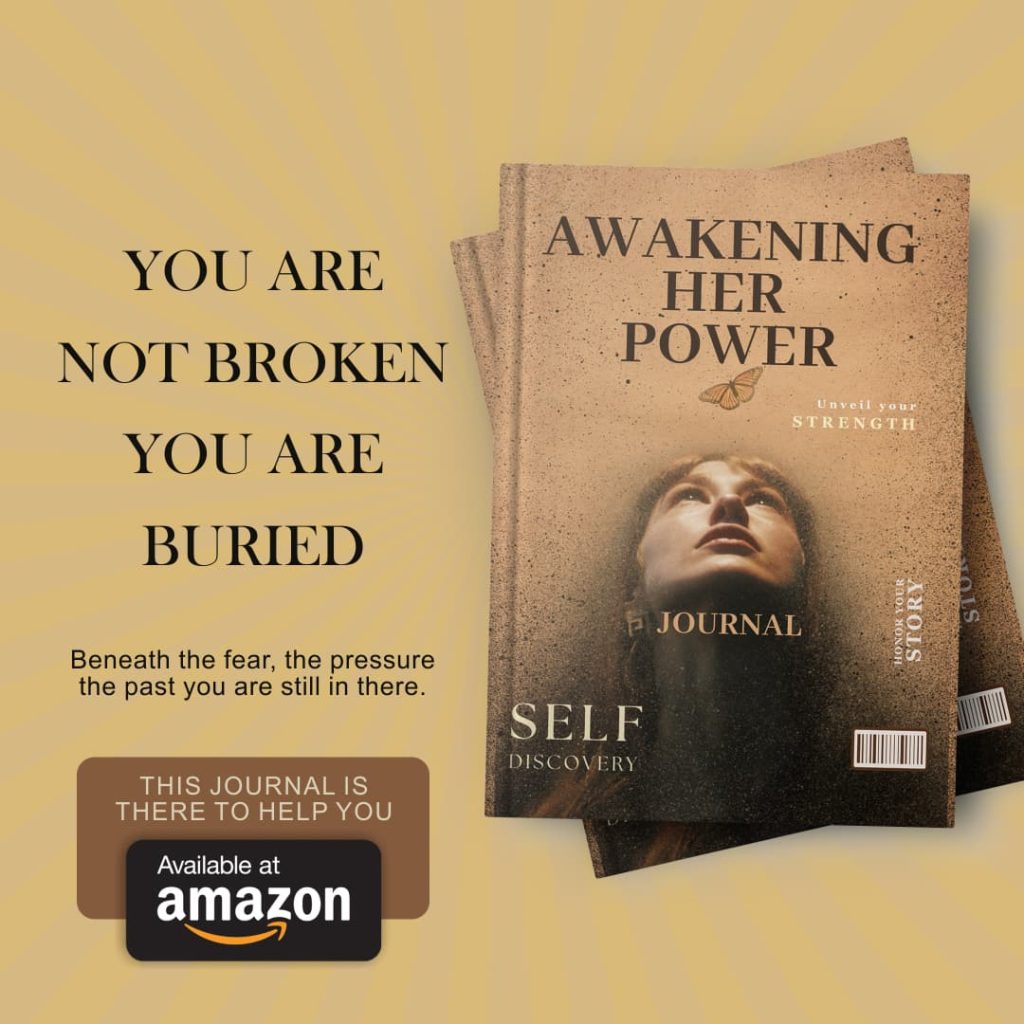
How to Use Visualization Techniques for Women’s Empowerment
Introduction to Visualization and Empowerment
Visualization is a powerful mental tool that can help you achieve your goals and boost your confidence. For women, using visualization techniques can be a way to empower themselves, overcome obstacles, and create a clearer path toward their dreams. In this article, we will explore how visualization works, its benefits, and practical steps to incorporate it into your life.
Understanding the Science Behind Visualization
Visualization is not just about daydreaming; it is based on psychological principles. When you visualize, you create a mental image of a desired outcome. This process can trigger feelings and responses similar to those you would experience if you were actually achieving that goal.
The Brain and Visualization
- Neuroplasticity: This is the brain’s ability to change and adapt. Visualization can help strengthen neural pathways related to your goals.
- Emotional Response: Imagining success can evoke positive emotions, which can motivate you to take action.
- Confidence Building: Regular visualization can help reduce anxiety and increase self-esteem.
Step-by-Step Guide to Effective Visualization Techniques
To effectively use visualization, follow these steps:
- Set Clear Goals: Define what you want to achieve. Be specific. For example, instead of saying, “I want to be successful,” say, “I want to lead a team project at work by the end of the year.”
- Find a Quiet Space: Choose a comfortable and quiet place where you won’t be disturbed.
- Relax Your Mind and Body: Take deep breaths to calm your mind. You can also practice mindfulness or meditation for a few minutes.
- Visualize: Close your eyes and create a vivid image of yourself achieving your goal. Use all your senses. What do you see, hear, and feel?
- Repeat Regularly: Make visualization a daily practice. The more you visualize, the more effective it becomes.
Incorporating Visualization into Daily Routines
To make visualization a habit, try these tips:
- Morning Routine: Start your day with a few minutes of visualization. Picture your day going well and achieving your tasks.
- Before Important Events: Use visualization before presentations, interviews, or any event where you want to perform well.
- Journaling: Write down your goals and visualize them as you write. This combines both writing and visualization for a stronger effect.
- Visual Cues: Use images or quotes that inspire you. Place them where you can see them daily to remind you of your goals.
Real-Life Examples of Women Who Used Visualization
Many successful women have used visualization to achieve their goals. Here are a few examples:
- Oprah Winfrey: Oprah has often spoken about the power of visualization in her journey to success. She visualized her career and the impact she wanted to make.
- Serena Williams: The tennis champion uses visualization to prepare for matches, imagining herself winning and executing her game plan perfectly.
- Michelle Obama: In her book, she discusses how visualization helped her navigate her role as First Lady and pursue her own goals.
Overcoming Challenges in Visualization Practice
Like any skill, visualization can come with challenges. Here are some common obstacles and how to overcome them:
- Difficulty Concentrating: If your mind wanders, try focusing on your breath for a few moments before visualizing.
- Negative Thoughts: Replace negative images with positive ones. Remind yourself that you deserve success.
- Inconsistency: Set a specific time each day for visualization. Treat it like an important appointment.
Conclusion: Embracing Visualization for Empowerment
Visualization is a simple yet effective tool for empowerment. By regularly practicing visualization techniques, you can build confidence, clarify your goals, and take actionable steps toward achieving them. Remember, the more you visualize your success, the more likely you are to make it a reality. Embrace this technique and watch how it transforms your journey.
Frequently Asked Questions
1. How long should I visualize each day?
Start with 5-10 minutes daily. You can gradually increase this time as you become more comfortable with the practice.
2. Can visualization really change my life?
Yes, many people find that visualization helps them focus on their goals and motivates them to take action.
3. What if I can’t visualize clearly?
That’s okay! Just focus on the feelings associated with your goals. With practice, your visualization skills will improve.
4. Is visualization a form of meditation?
Yes, visualization can be part of meditation, but it specifically focuses on imagining outcomes rather than just clearing the mind.
5. Can I visualize for others, not just myself?
Yes, you can visualize positive outcomes for others. This can enhance your support for them and strengthen your relationships.